Photo via FreightWaves
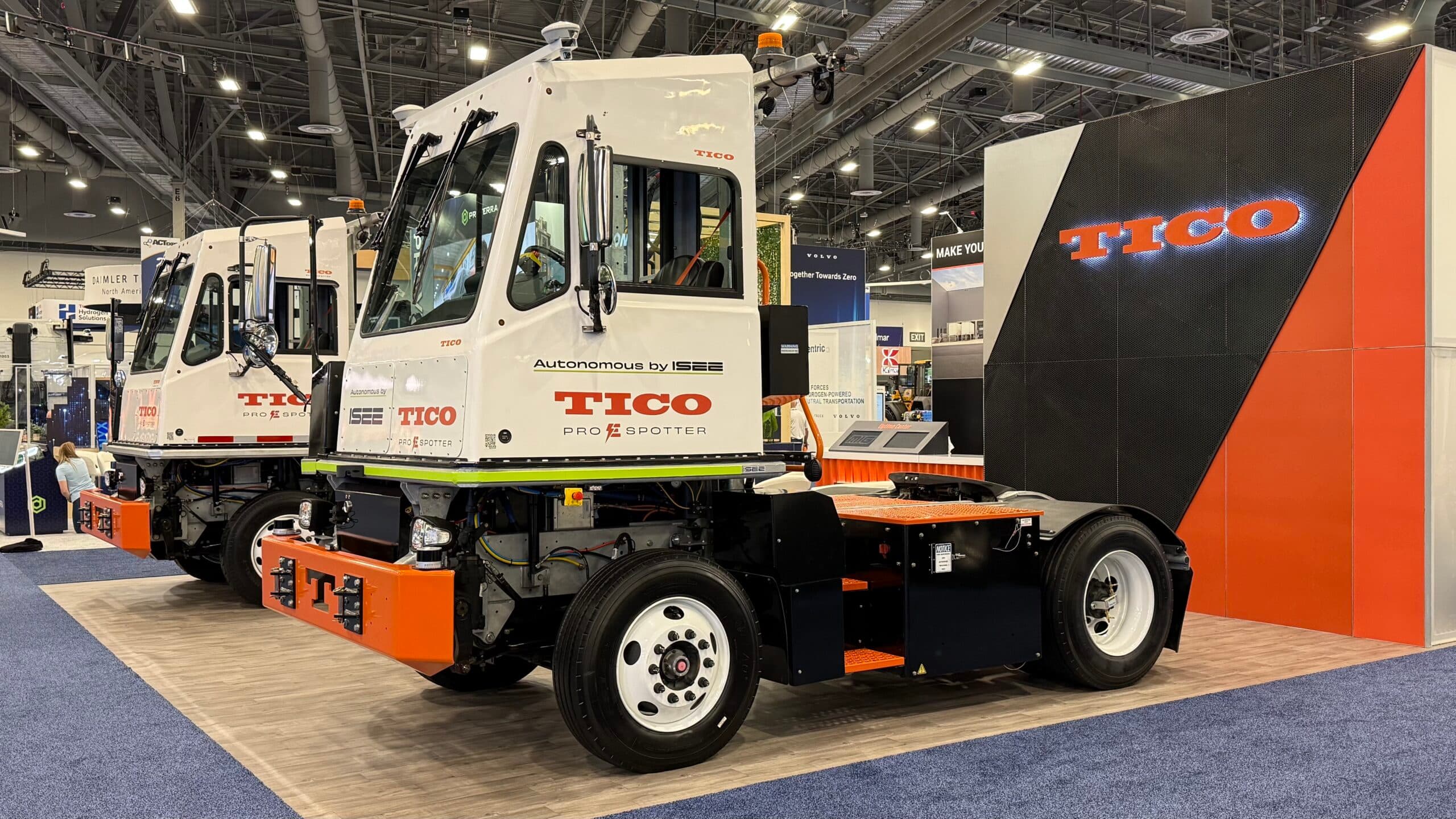
The autonomous trucking industry is shifting focus from long-haul highways to a more practical proving ground: private industrial yards. According to FreightWaves, companies like ISEE AI and TICO are prioritizing yard tractor automation as a near-term commercial opportunity, with production timelines targeting 2027. This pivot reflects industry recognition that controlled, repetitive yard operations present fewer safety and regulatory hurdles than autonomous long-distance trucking.
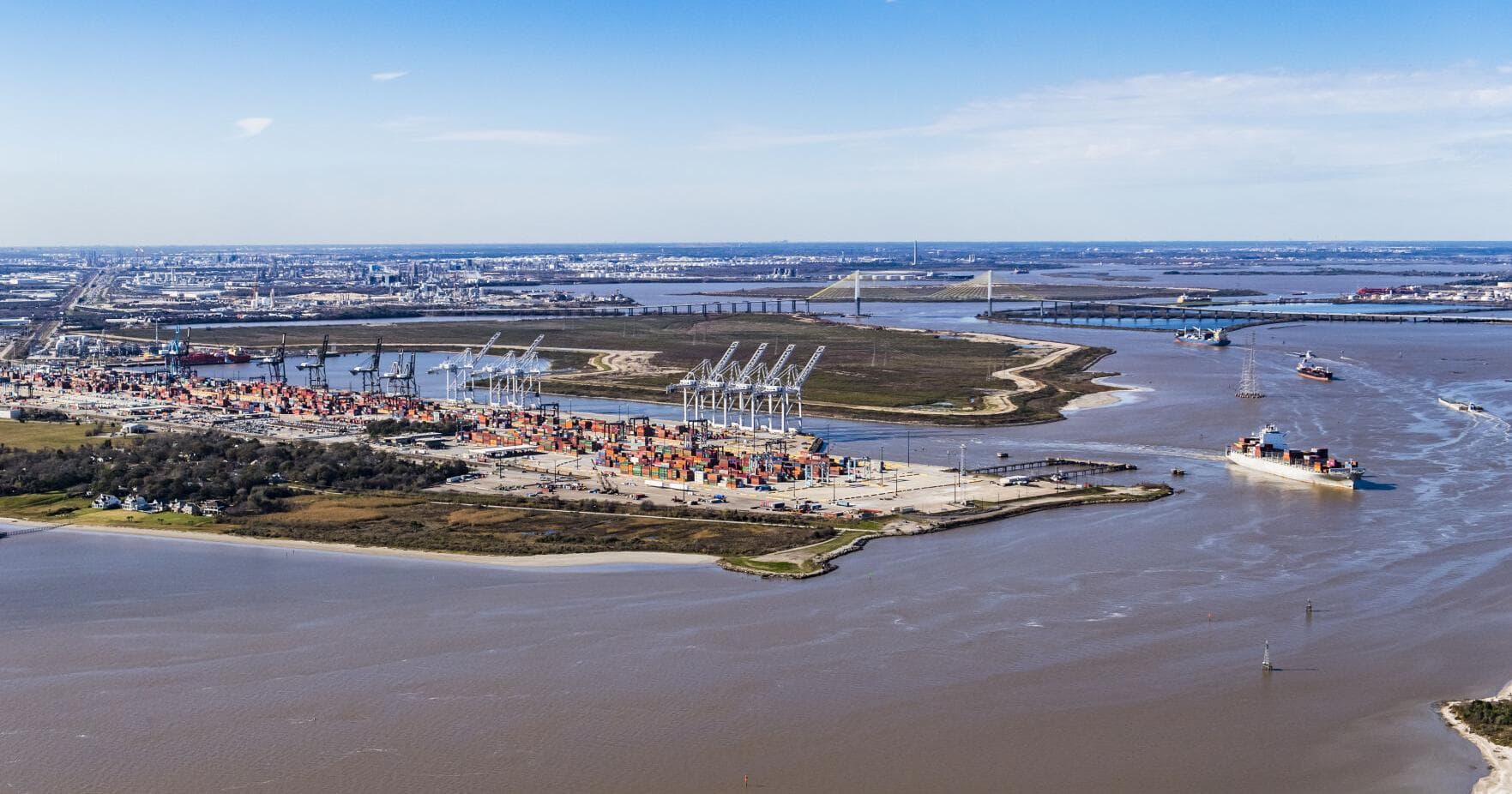
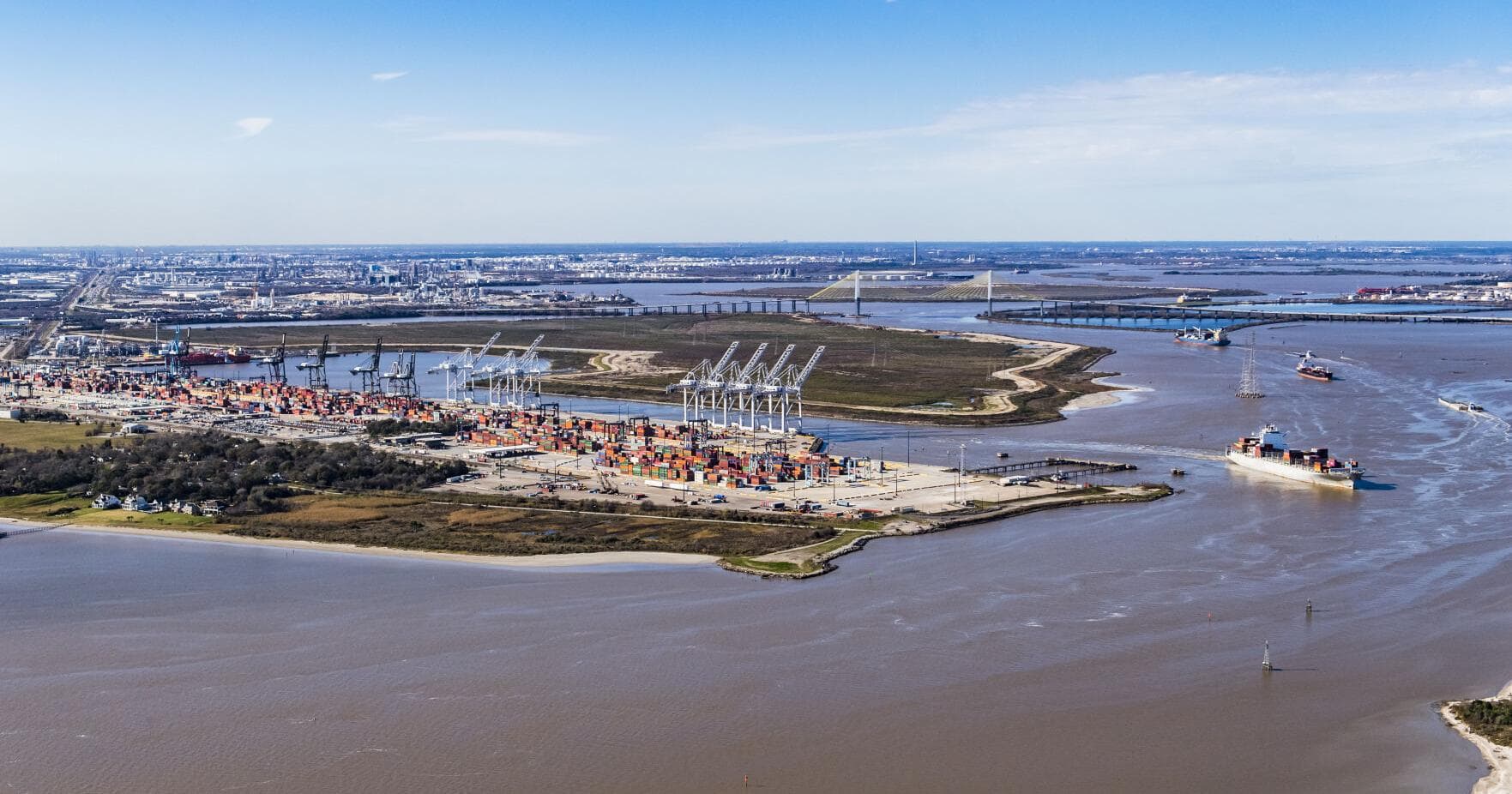
For Houston's logistics sector—anchored by the Port of Houston and sprawling distribution networks—autonomous yard tractors could deliver significant operational gains. Port facilities and regional warehouses currently rely on human operators for yard movement, a labor-intensive task vulnerable to driver shortages. Automating these repetitive shuttle operations between loading docks, storage areas, and truck staging zones could reduce operational costs and improve throughput at critical supply chain nodes.
The path to commercialization appears accelerating. According to the source material, ISEE AI's Gen-7 technology and a completed safety case are positioning the companies to begin fielding hundreds of truck orders in the near term. These advances suggest the regulatory and technical barriers that have long delayed autonomous trucking deployment are becoming surmountable—at least in controlled yard environments where variables are predictable.
Houston-area logistics operators and port authorities should monitor these developments closely. As yard automation matures, early adopters could gain competitive advantages in efficiency and labor flexibility. Companies managing distribution networks in the region may need to evaluate how autonomous yard tractors fit into their operational roadmaps and workforce planning over the next three to five years.