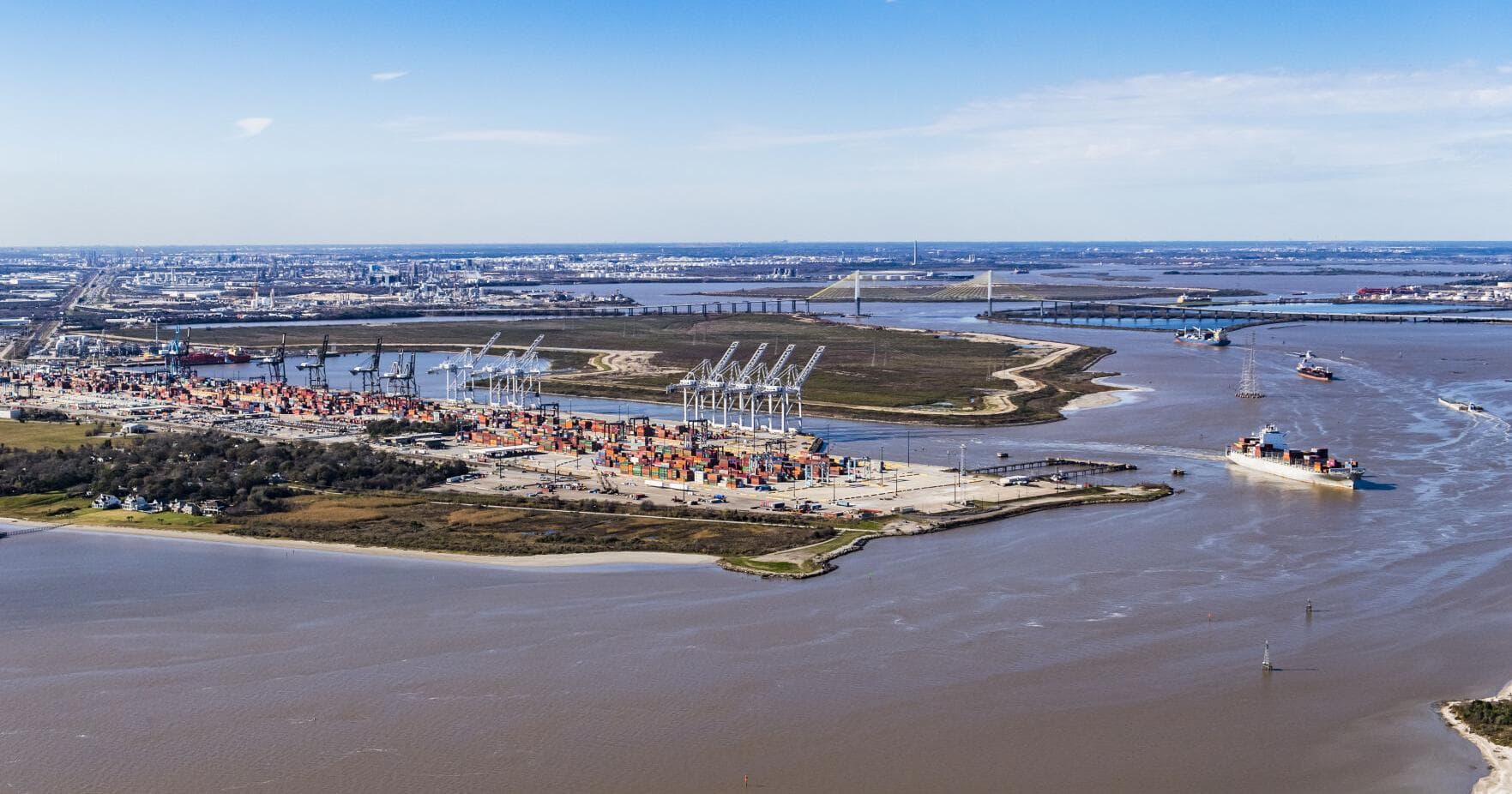
Major delivery carriers including Amazon, UPS, and FedEx are increasingly being held directly liable for accidents involving their delivery networks, even when drivers operate as independent contractors. According to legal experts at The León Law Firm, the traditional "independent contractor" defense is losing effectiveness in courtrooms across Texas. This shift has significant implications for Houston's logistics industry, which relies heavily on third-party delivery networks to support e-commerce and last-mile distribution operations.
Recent legal outcomes demonstrate the changing landscape. A $7 million settlement in a delivery truck accident case exemplifies how courts are now piercing the corporate veil to reach major carriers rather than limiting recovery to individual drivers. Legal professionals argue that carriers maintain sufficient control over driver conduct, vehicle maintenance, route planning, and customer communication to be considered responsible parties. This reasoning has proven persuasive to juries and judges evaluating accident cases.
For Houston-area businesses that depend on delivery services or operate their own fleets, understanding this liability shift is critical. Companies should review their insurance coverage, contractor agreements, and safety protocols to ensure compliance with evolving legal standards. The trend suggests that carriers will face increased pressure to implement stricter safety measures and maintain higher insurance minimums, potentially affecting delivery costs and service models across the region.