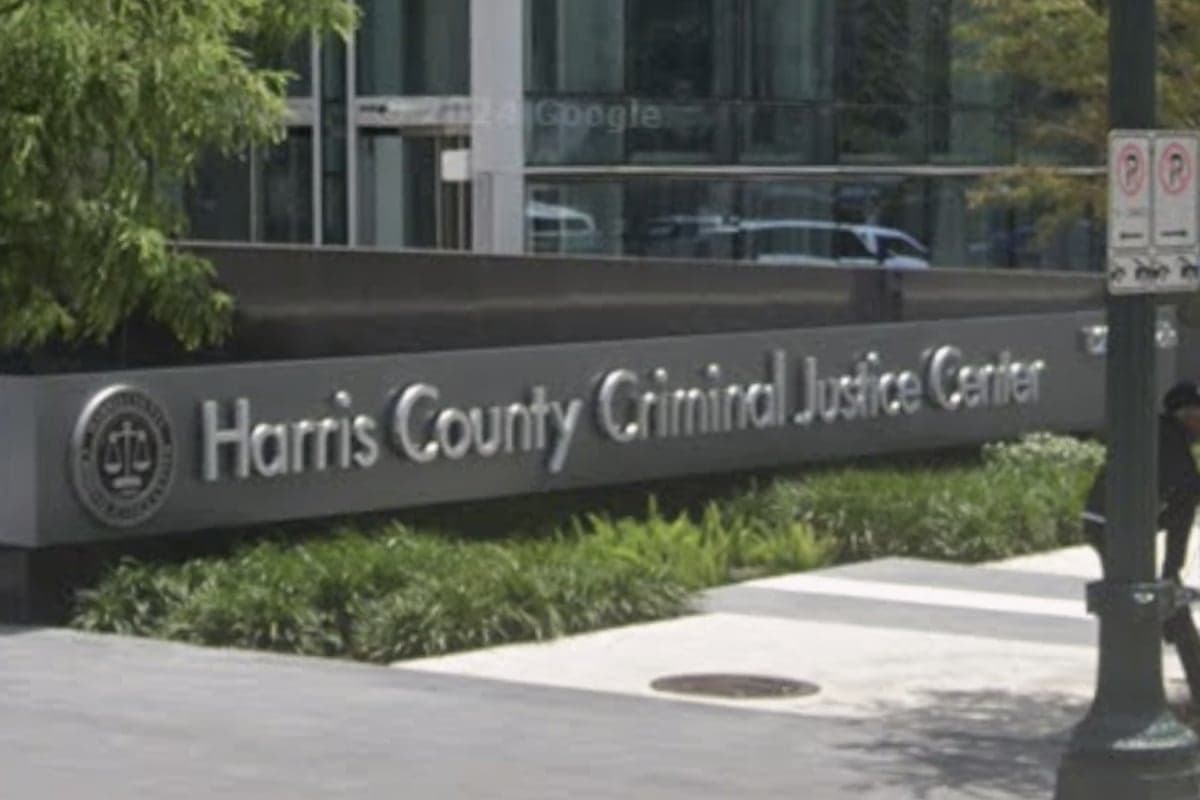
Photo via Hoodline
A Harris County jury recently concluded a significant criminal case by finding Erik Fardell Arceneaux guilty in connection with the 2018 disappearance of Maria Rodriguez. According to reporting from Hoodline, the prosecution's case relied heavily on digital and transactional evidence, including phone records, surveillance footage, and retail purchase documentation—a methodological shift that reflects how modern investigative techniques have evolved in Texas courts.
The reliance on retail receipts and point-of-sale data in this case underscores the growing importance of transaction tracking and surveillance infrastructure in law enforcement. For Houston-area businesses, the case illustrates how comprehensive record-keeping and security systems have become not only operational necessities but also critical components in potential legal proceedings. The evidence presented demonstrates that seemingly routine commercial transactions can carry significant evidentiary weight.
This conviction adds to a growing body of Harris County cases where digital forensics and data analysis have proven decisive. As Houston continues to expand its commercial and technological infrastructure, both businesses and law enforcement agencies are increasingly leveraging transaction records, location data, and visual surveillance as standard investigative tools, setting precedent for how evidence collection may evolve in future criminal proceedings.