Photo via Https://www.kltv.com
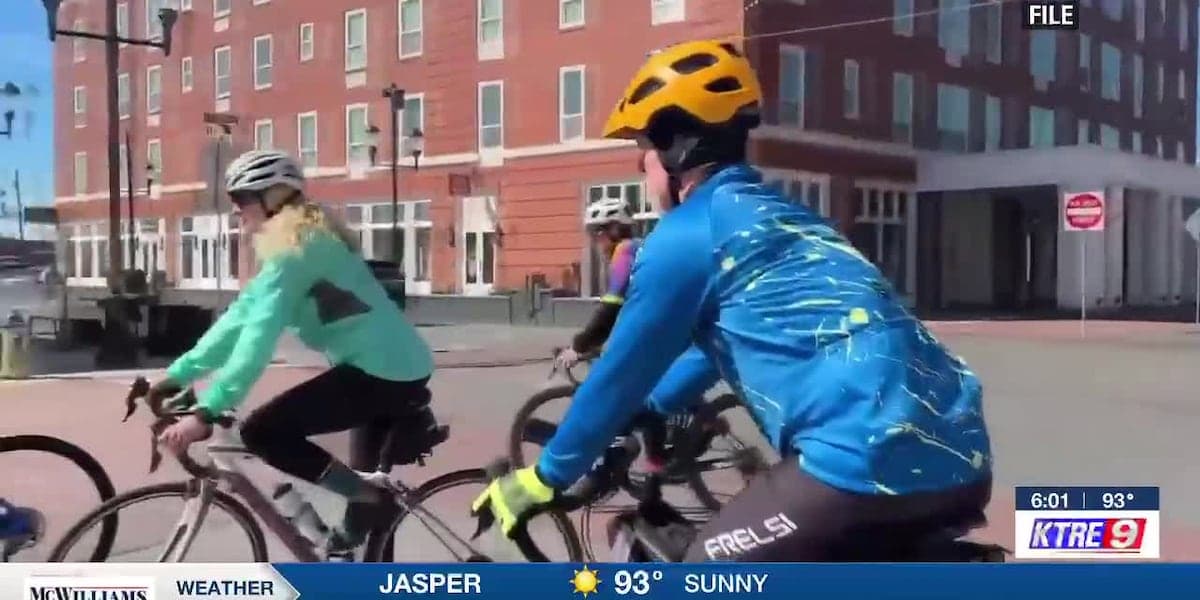
Infrastructure assessments are increasingly revealing the disconnect between existing transportation networks and community safety needs. According to reporting from KLTV, planners working with Toole Design have identified substantial gaps in bicycle infrastructure as part of a regional safety initiative. These findings underscore a broader challenge facing Texas municipalities as they balance development with pedestrian and cyclist accessibility.
For Houston-area business leaders and real estate professionals, such infrastructure audits carry economic implications. Communities with comprehensive cycling networks often see increased property values, improved workforce mobility, and enhanced downtown vitality—factors that commercial and residential developers monitor closely. The identification of infrastructure gaps suggests opportunities for strategic investment in transportation-oriented development.
As Texas municipalities advance safety planning initiatives, the momentum reflects national trends toward multimodal transportation. Houston and surrounding regions continue evaluating their own cycling and pedestrian infrastructure, with implications for urban planning budgets, commercial real estate positioning, and community development priorities. These conversations will likely shape how regional markets approach mixed-use and transit-adjacent projects in coming years.