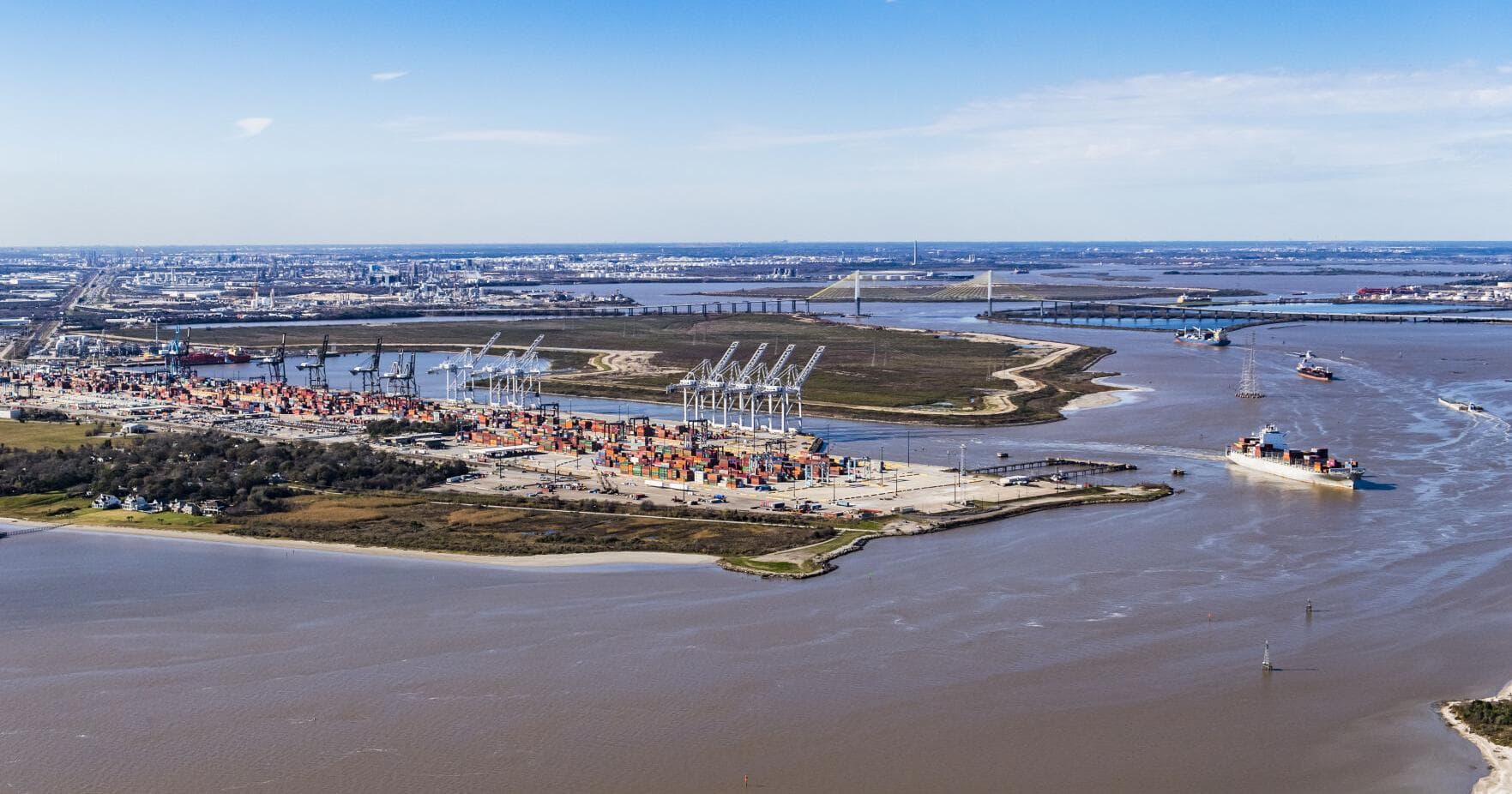
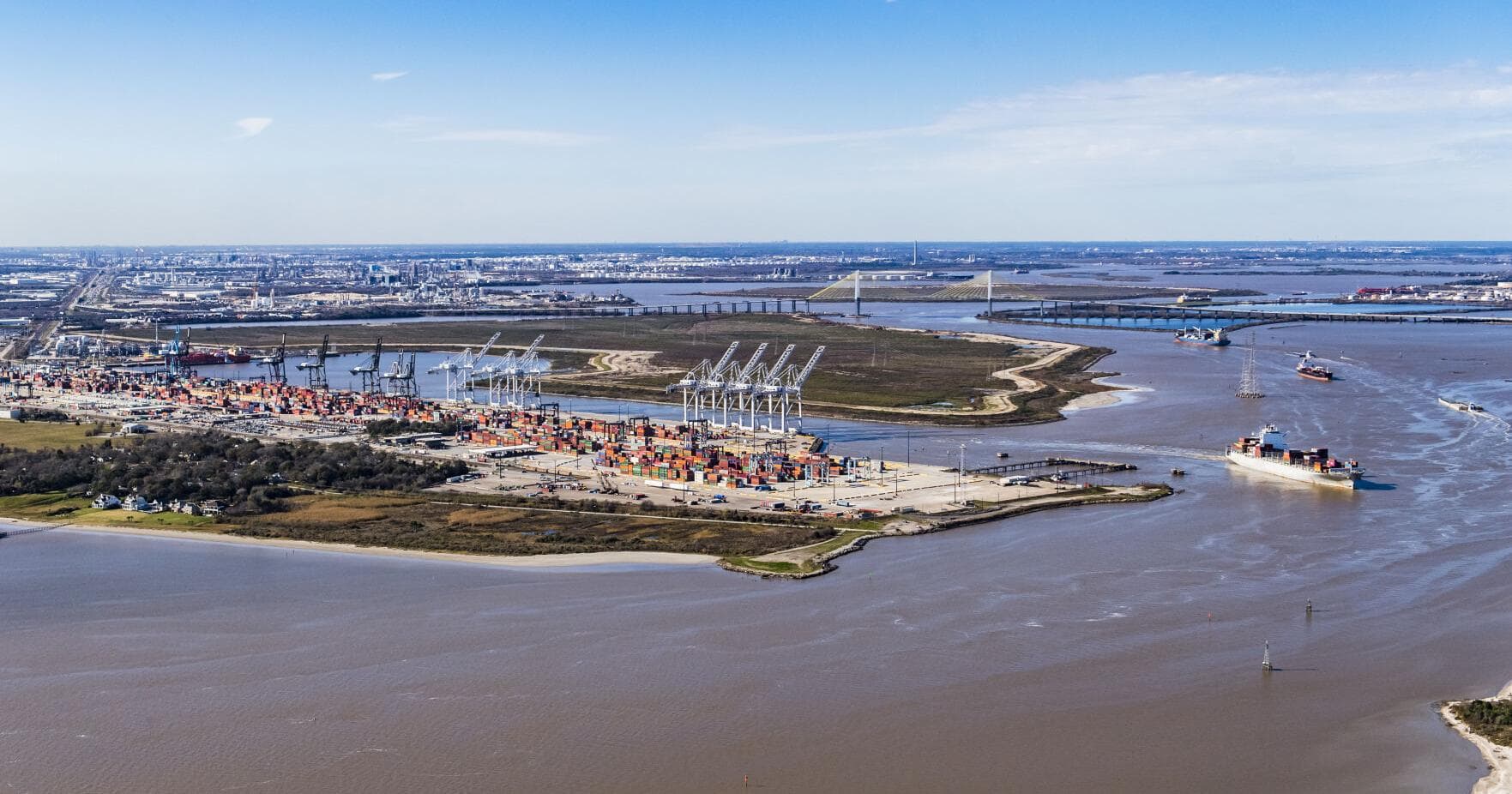
Photo via FreightWaves
U.S. railroad freight volumes are experiencing robust expansion as intermodal transportation—the combination of rail and truck logistics—gains momentum across the country. According to FreightWaves, improved industrial production and higher demand for intermodal services are fueling this growth trajectory, signaling strengthening economic activity in goods movement.
For Houston's logistics and transportation sector, this trend carries particular significance. The region's strategic position as a major hub for intermodal operations, coupled with its proximity to major ports and manufacturing facilities, positions local freight companies to capitalize on increased rail-truck coordination. The Port of Houston and surrounding industrial corridors depend heavily on efficient intermodal networks to move containerized cargo.
The growth in intermodal traffic reflects broader shifts in how companies approach supply chain efficiency. By combining rail's cost-effectiveness for long-distance hauls with trucking's flexibility for last-mile delivery, shippers can optimize both speed and expense. This hybrid approach has become increasingly attractive as businesses seek to manage logistics costs while maintaining reliable service.
For Houston business leaders in transportation, warehousing, and manufacturing, these positive freight indicators suggest continued opportunities in supply chain services. Companies positioned to leverage intermodal capabilities—from warehouse operators to freight forwarders—may find this expanding market segment offers growth prospects through 2024 and beyond.