Photo via FreightWaves
The trucking industry is entering a new enforcement era as roadside camera networks and license plate readers become standard tools for regulatory oversight. According to FreightWaves, enforcement officers can now reconstruct multi-state driver routes using digital surveillance technology, creating a comprehensive timeline that can be cross-referenced against traditional paper logs and electronic logging devices. This technological shift represents a fundamental change in how compliance violations are detected and documented.
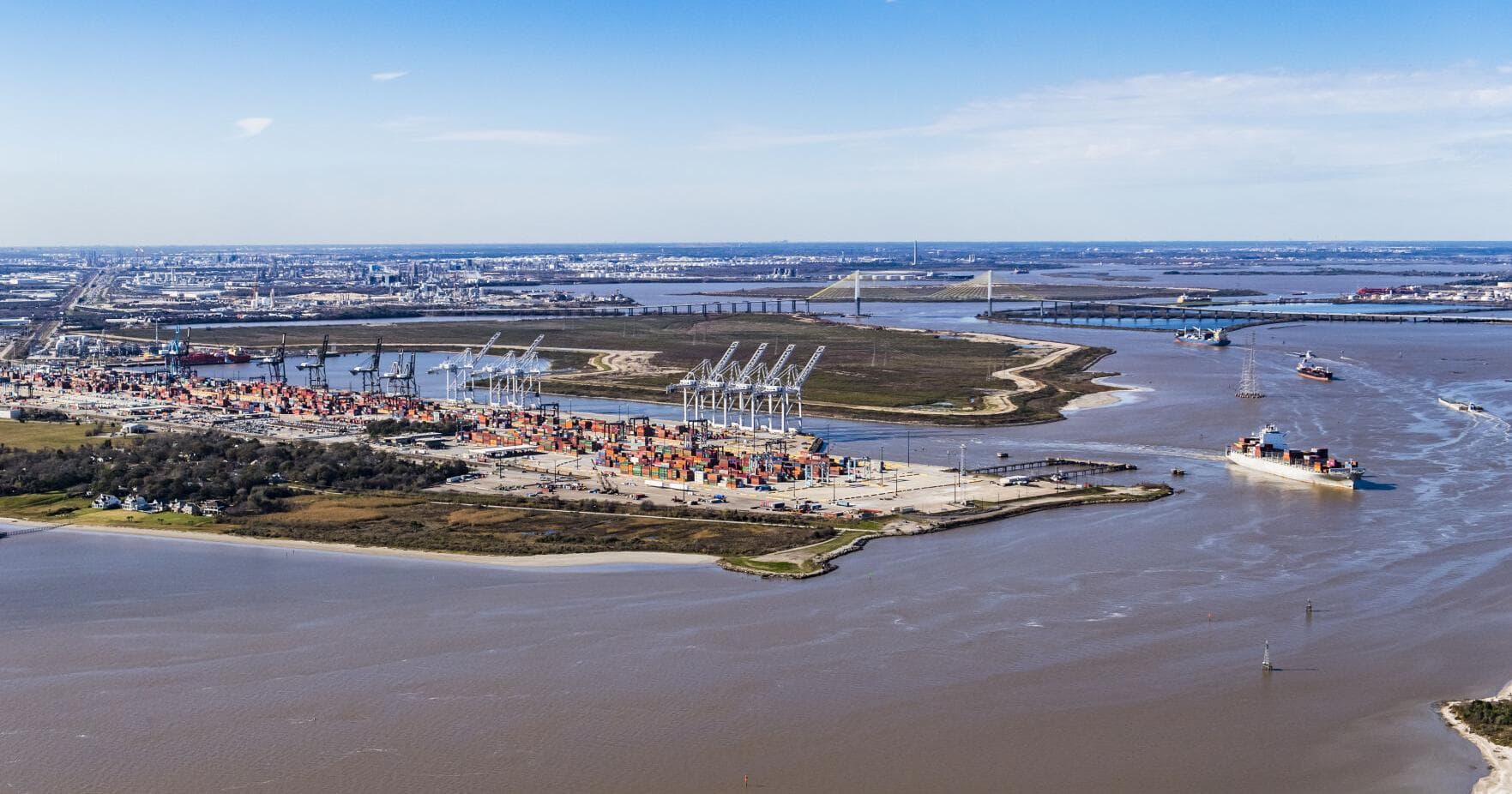
For Houston's robust logistics and transportation sector, this development carries significant implications. The Port of Houston and the region's extensive trucking operations that support petrochemical plants, refineries, and distribution centers will likely see increased scrutiny of driver logs and route accuracy. Companies operating fleets across multiple states now face a higher standard of transparency regarding driver hours, rest periods, and adherence to federal safety regulations.
The deployment of camera networks creates both challenges and opportunities for fleet operators. Trucking companies that maintain accurate digital records and ensure driver compliance with hours-of-service regulations face minimal disruption, while those with inconsistent documentation practices may face increased citations and fines. Industry experts anticipate that this enforcement evolution will drive further adoption of electronic logging devices and real-time fleet tracking systems across the region.
Houston-based logistics firms should prepare for this enforcement landscape by auditing their compliance practices and investing in transparent record-keeping systems. As regulators gain advanced tools to verify driver behavior across state lines, companies that proactively embrace accountability measures will gain competitive advantages in securing contracts and avoiding costly violations. The shift underscores the importance of technology integration in modern fleet management.