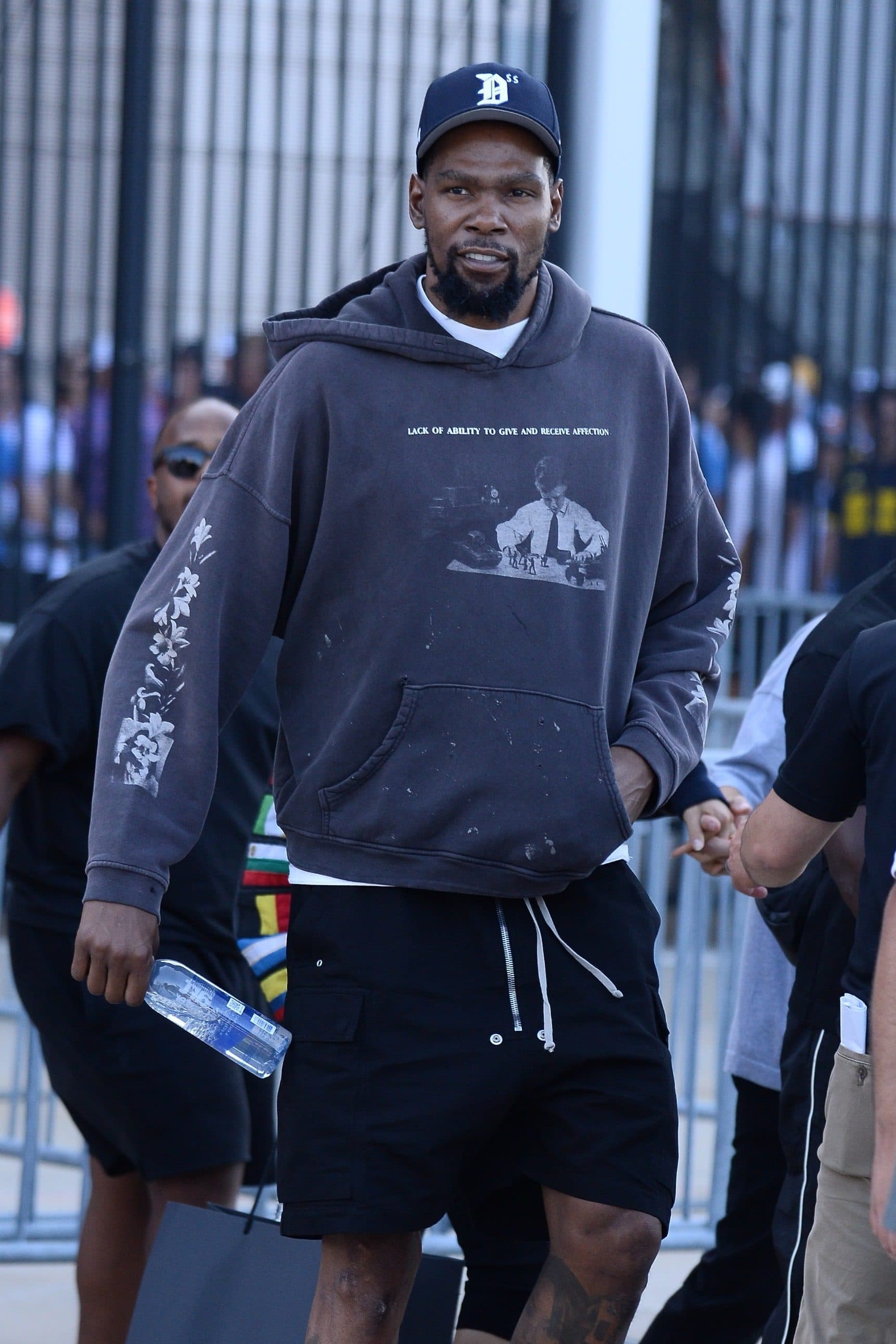
Photo via Yahoo! News
When Justin Verlander announced his retirement from baseball in July, the moment carried significance beyond sports. According to Yahoo! News, Tarik Skubal, a rising star pitcher for the Detroit Tigers, stood beside Verlander during the announcement—a symbolic gesture highlighting the mentor-mentee relationship that had developed between the veteran and younger player. For Houston business professionals, this scene underscores an important principle: how departing leaders can shape organizational culture through intentional knowledge transfer.
Verlander's decision to have Skubal present during his retirement announcement reflects a deliberate approach to succession planning. Rather than simply stepping away, Verlander created a moment of connection that publicly acknowledged the younger player's potential and their professional bond. In corporate environments, this mirrors best practices where outgoing executives actively champion their successors and ensure institutional knowledge transitions smoothly to the next tier of leadership.
For Houston executives navigating transitions—whether retirements, departures, or leadership changes—Verlander's approach offers a practical model. By visibly supporting emerging talent and creating meaningful handoff moments, leaders can strengthen organizational continuity while reinforcing their legacy through the development of others. The lesson extends beyond any single industry: intentional mentorship during transitions builds stronger, more resilient organizations.