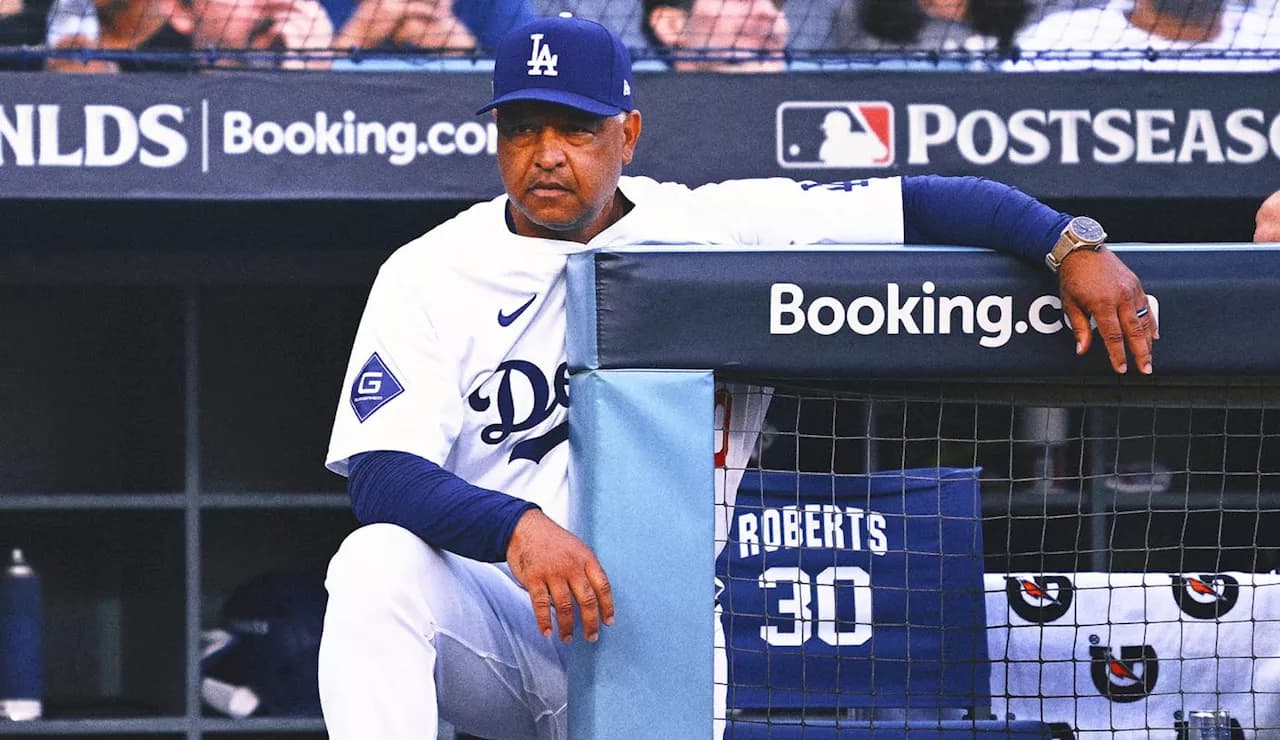
July has arrived once again, bringing with it the annual MLB Trade Deadline—a period that extends beyond sports enthusiasm to represent significant business activity in professional baseball. According to Newsbreak, teams are actively evaluating their rosters and market positions as the deadline approaches. For Houston, home to the Astros, understanding these dynamics offers perspective on how sports franchises operate as complex business entities managing talent acquisition, financial constraints, and competitive positioning.
The trade market serves as a real-time indicator of how sports organizations value assets and make capital allocation decisions. Teams designated as 'buyers'—like the Twins mentioned in the source report—are willing to invest in player acquisitions to improve their competitive standing, while 'sellers' divest assets for future consideration. These transactions involve significant financial commitments and strategic planning that mirror decision-making processes in other industries, from talent management to resource optimization.
For Houston's business community, the trade deadline represents more than entertainment value. It demonstrates how professional sports organizations navigate market conditions, negotiate complex deals, and manage long-term financial implications. The Astros' own trade strategy each July reflects the broader principles of competitive positioning and fiscal responsibility that resonate across Houston's business landscape, particularly for those involved in sports management, hospitality, and regional economic development tied to major league operations.