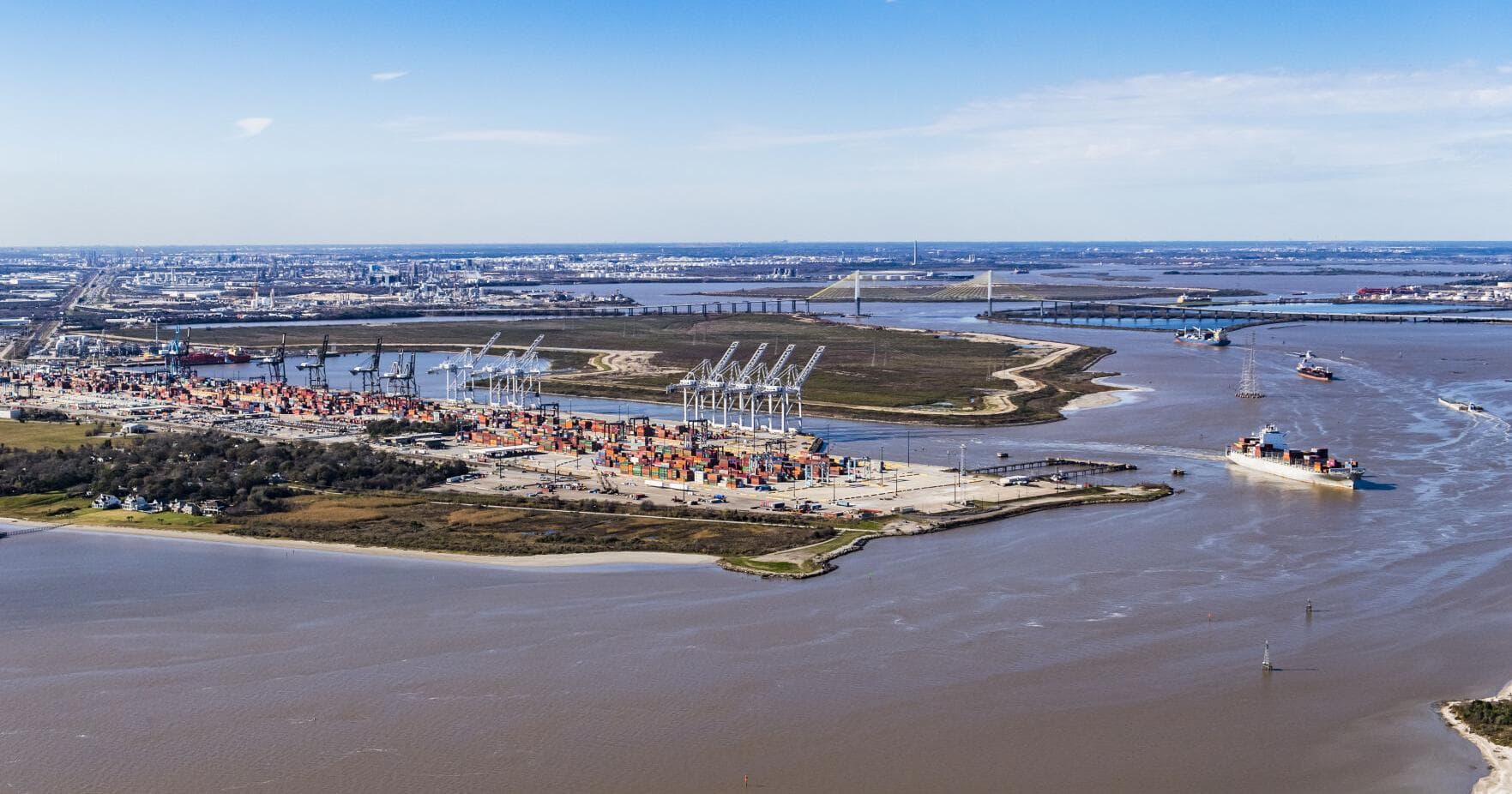
Photo via FreightWaves
The Port of Oakland demonstrated resilience in April, maintaining relatively flat cargo volumes compared to the same period last year, according to FreightWaves. This stability comes despite a notable reduction in the number of vessel calls at the California gateway, suggesting that port operations are becoming more efficient at handling cargo with fewer ship arrivals.
For Houston's logistics and supply chain community, Oakland's performance signals important trends in West Coast port operations. As one of North America's primary gateways for Asian trade, Oakland's efficiency metrics often influence broader shipping patterns and costs that directly impact Houston-area importers and exporters managing international commerce.
The disconnect between steady cargo volumes and declining vessel calls indicates that larger, more efficient container ships are increasingly calling at major ports like Oakland. This consolidation trend has implications for regional distribution networks and transportation costs across the country, including Texas-based logistics operations that rely on West Coast port access.
Houston-based companies engaged in import-export activities should monitor Oakland's trajectory closely, as port performance on the West Coast can signal shifts in freight routing, carrier schedules, and ultimately shipping costs. The Port of Oakland's operational efficiency continues to shape competitive dynamics for the entire U.S. port system.