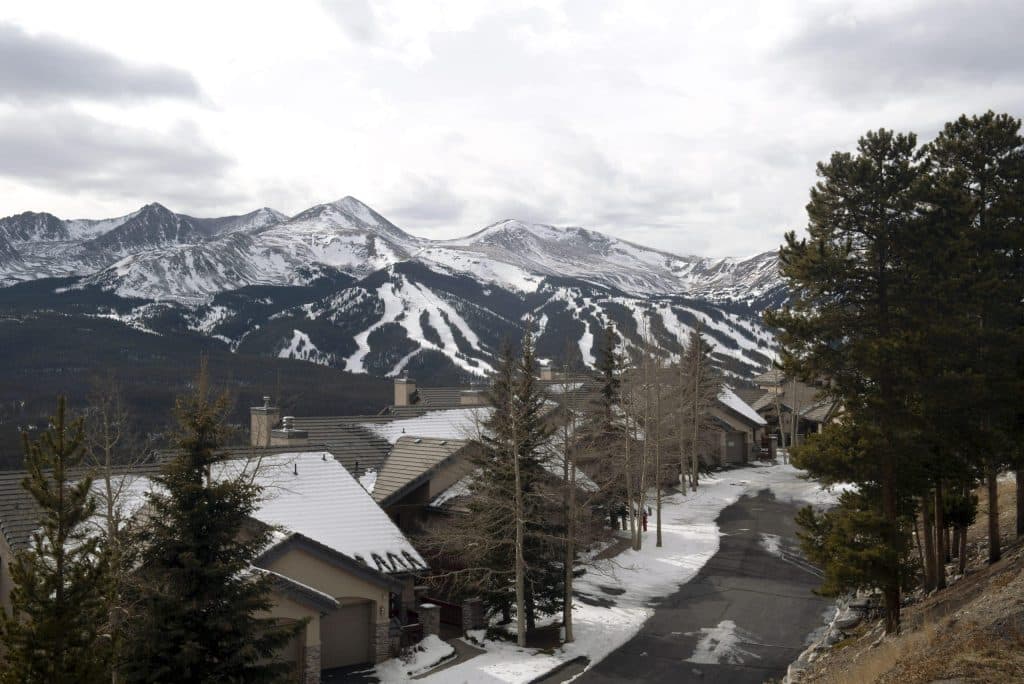
Photo via Summitdaily
The short-term rental sector is experiencing notable headwinds across Colorado's mountain communities, where seasonal operators are grappling with elevated nightly rates paired with declining occupancy levels, according to Summit Daily. The combination is squeezing revenue forecasts as the fall season approaches, prompting industry observers to reassess market fundamentals. For Houston-based real estate investors with short-term rental portfolios—particularly those with properties in competing mountain or resort destinations—the trend underscores the sensitivity of the sector to both supply pressures and regulatory intervention.
Political outcomes in Colorado's Democratic primary could accelerate policy changes affecting how short-term rentals are licensed, taxed, and operated statewide. According to the source material, progressive victories in recent contests have raised the likelihood of stricter oversight frameworks. Such shifts matter beyond Colorado: they often signal emerging regulatory trends that eventually influence how cities nationwide—including Houston—craft their own short-term rental policies around zoning, affordable housing preservation, and community impact.
Local property managers and investors should monitor these developments closely, as Colorado's regulatory experiments typically preview national conversations. Houston's own short-term rental market remains dynamic, and policy decisions made in mountain states frequently inform the next generation of municipal code amendments in Texas markets. Industry experts caution that operators should prepare for tighter compliance requirements and potential margin compression as oversight intensifies.