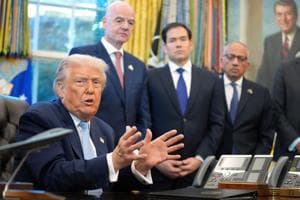
Photo via Bloomberg Markets
According to Bloomberg Markets, South Korea's left-wing party has achieved a decisive victory in recent local elections, strengthening the position of President Lee Jae Myung. This political realignment comes as the opposition conservative party faces internal turmoil following a controversial martial law declaration by a former leader. The outcome represents a significant shift in the country's political landscape and could have implications for U.S.-South Korea business relationships.
For Houston's business community, South Korea represents an important trading partner, particularly in energy and petrochemical sectors. A change in political leadership could influence trade policies, regulatory frameworks, and bilateral commerce agreements that affect local companies. Energy firms and logistics providers with South Korean operations should monitor how the new political direction shapes energy policy and international trade initiatives.
The conservative party's struggle to recover from its recent political crisis creates an opening for Lee's coalition to pursue its agenda without significant legislative opposition in the near term. This consolidated power could accelerate policy implementation around economic priorities, though the nature of those priorities remains to be seen as the administration moves forward.
Houston business leaders with interests in South Korea should consider how this political development might affect their operations, partnerships, and market access in one of Asia's most significant economies. Monitoring policy announcements regarding trade, energy, and commerce will be essential for companies seeking to maintain or expand their South Korean footprint.