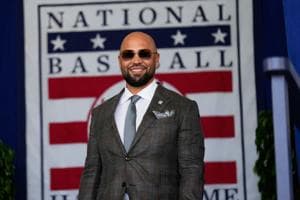
Photo via Romesentinel
The Baseball Hall of Fame's recent induction decisions highlight a tension that extends well beyond sports: when should organizations compromise on ideals versus maintaining rigorous standards? According to reporting from the Rome Sentinel, Cooperstown's Class of 2026 represents candidates whose qualifications spark genuine debate, suggesting the institution has shifted toward a philosophy favoring inclusion of strong performers over an empty class.
This principle resonates in the Houston business community, where companies regularly grapple with similar threshold questions. Whether evaluating executive talent, startup investment readiness, or industry certifications, local organizations must decide whether to apply absolute standards or embrace "good enough" alternatives. The Hall of Fame's apparent pivot toward welcoming qualified—if imperfect—candidates offers a case study in how institutions evolve their selection frameworks.
For business leaders in Houston and beyond, the takeaway is clear: perfection is often the enemy of progress. Organizations that maintain unnecessarily stringent criteria risk leaving talent and opportunity on the table, while those with clear but flexible benchmarks tend to advance. The question isn't whether to lower standards, but whether current standards actually measure what matters most.