Photo via FreightWaves
In a consequential decision for the transportation and logistics sectors, the Supreme Court has expanded the legal definition of interstate workers to encompass some delivery personnel who never physically cross state lines. According to FreightWaves, this ruling could reshape how companies classify and regulate their workforce across multiple jurisdictions.
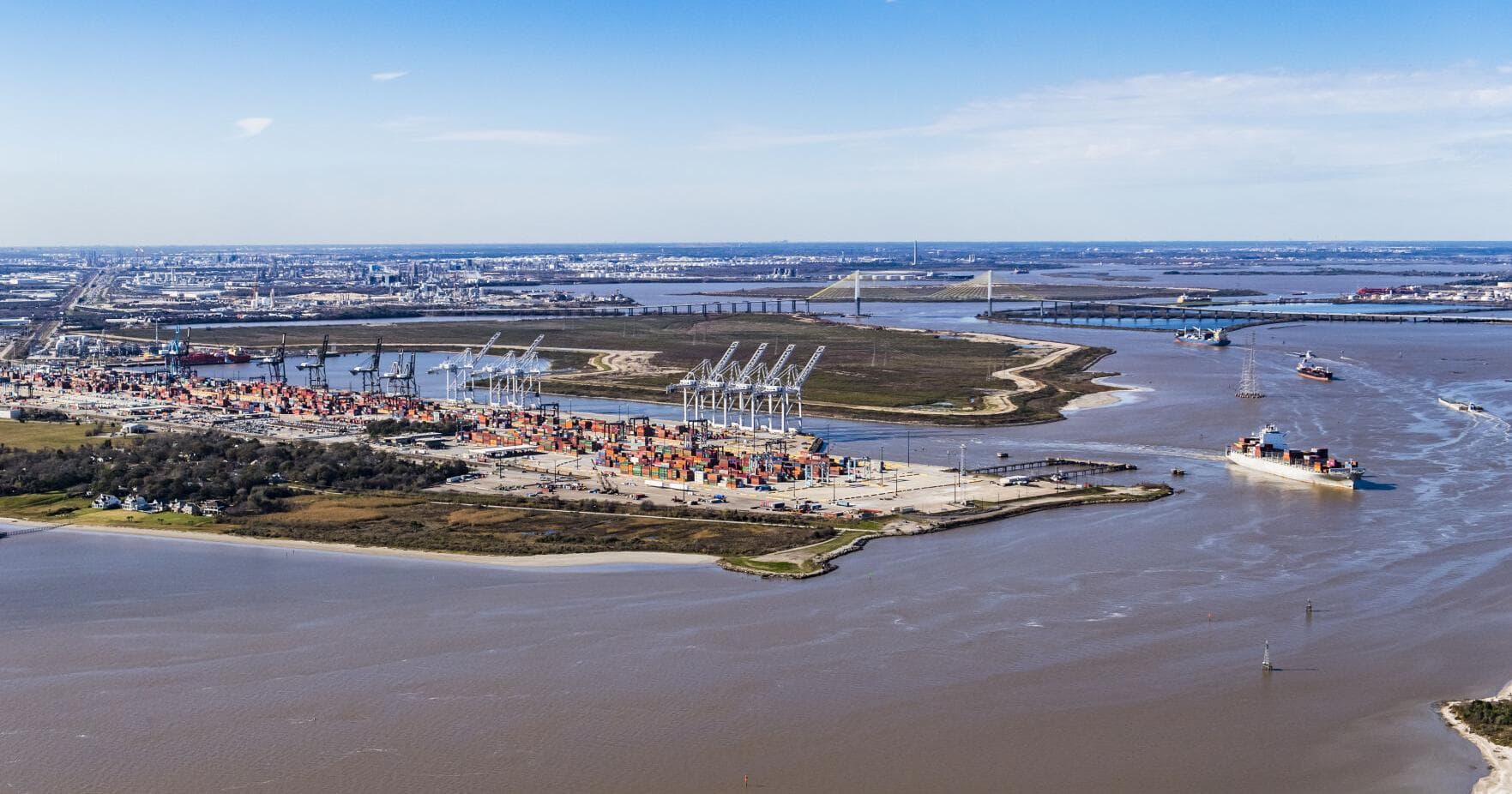
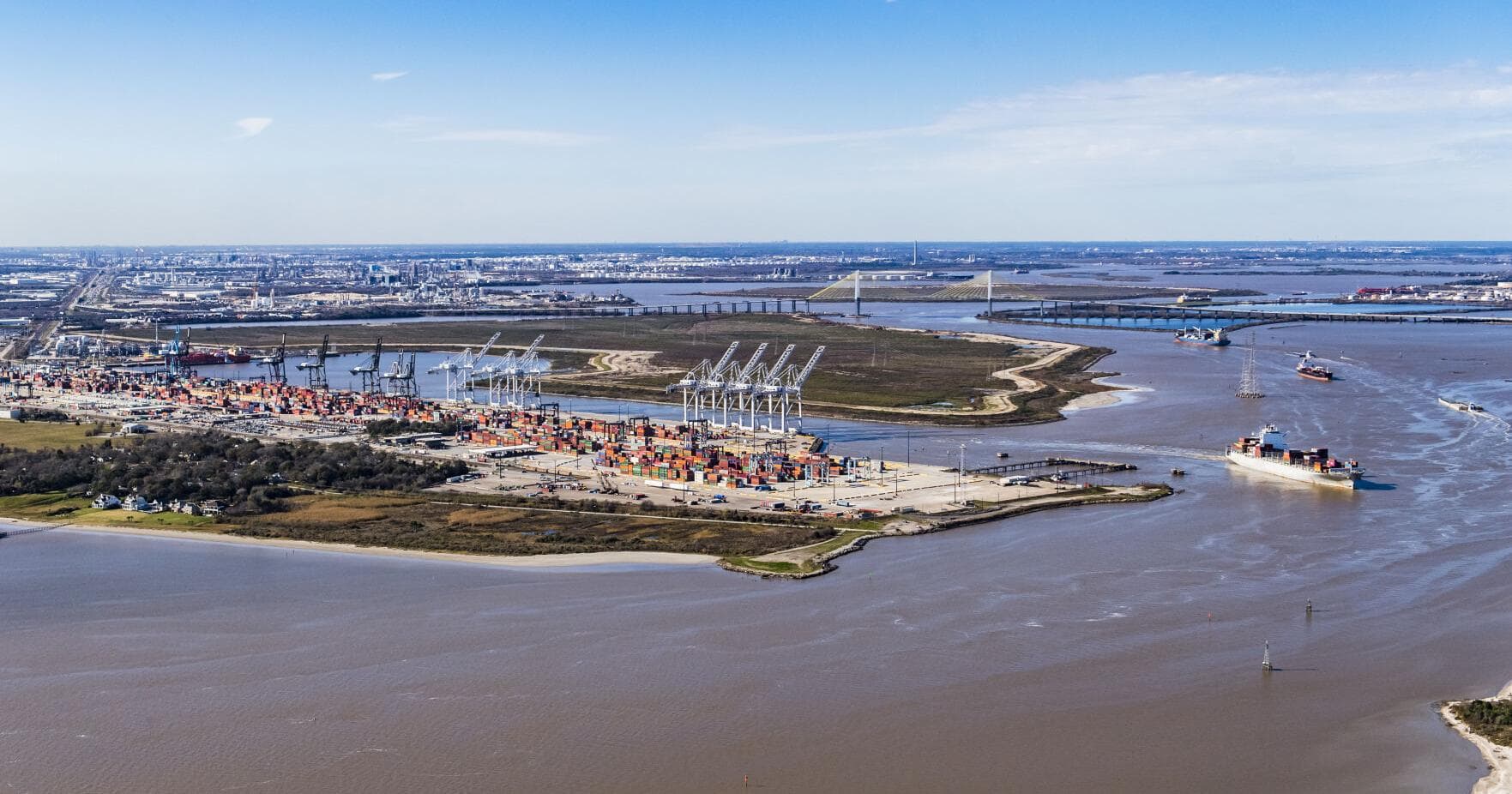
The decision has immediate relevance for Houston's robust logistics hub, which serves as a major distribution center for national and regional carriers. Companies operating delivery networks through the Port of Houston and surrounding warehousing facilities may need to reassess worker classifications and compliance obligations under federal transportation law.
The broader interpretation of interstate commerce authority could impact how Houston-based logistics firms handle employment disputes, labor regulations, and operational compliance. Delivery companies that previously classified workers as purely intrastate may now face reclassification in certain disputes, affecting everything from insurance coverage to worker benefits.
Business leaders in Houston's freight and delivery sector should consult with legal counsel to understand how this ruling applies to their specific operations. The decision underscores the evolving regulatory landscape for logistics employers and the importance of staying informed about federal transportation law changes that could influence hiring practices and workforce management strategies.