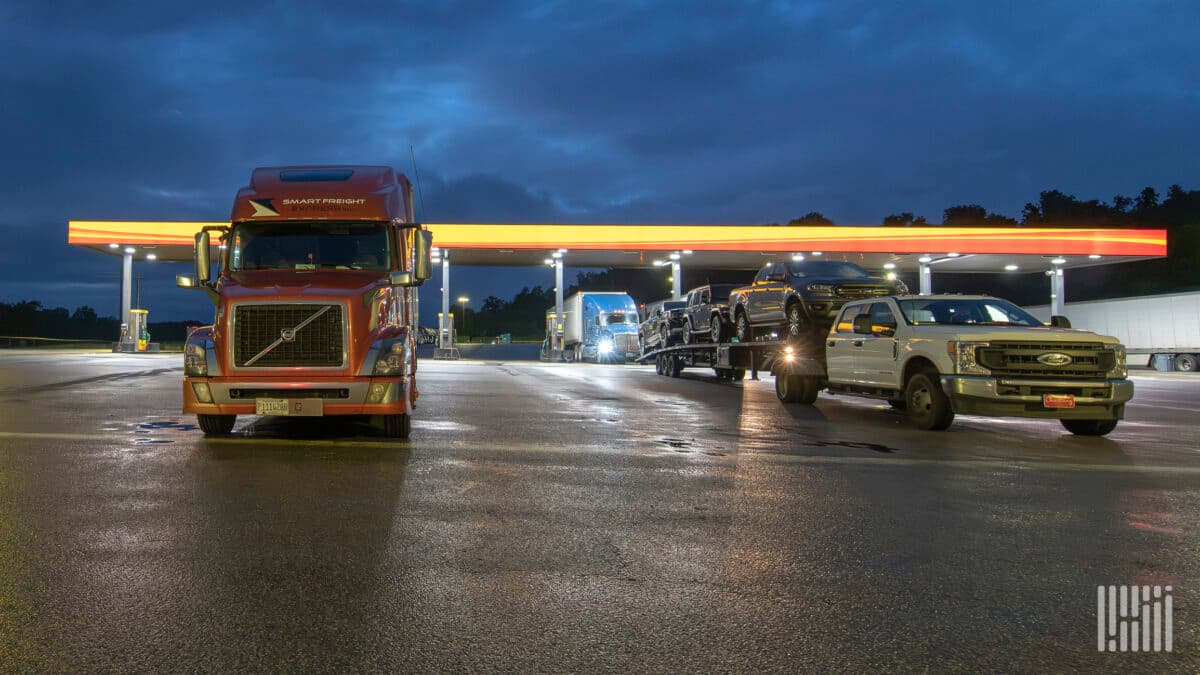
Photo via FreightWaves
According to FreightWaves, two owner-operators running identical Midwest freight corridors with comparable loads and weekly mileage can experience dramatically different fuel consumption rates. While one operator achieves 7.5 to 7.8 miles per gallon, another running the same route pulls only 6.1 to 6.3 MPG. For Houston-based trucking companies and owner-operators serving Gulf Coast corridors, these efficiency gaps translate directly to bottom-line profitability and operational competitiveness.
The variance between neighboring fleets reflects more than simple mechanical differences. Driving habits, route optimization, vehicle maintenance protocols, and load management strategies create compounding effects on fuel economy. In Texas's competitive logistics market, where fuel represents one of the largest operational expenses, mastering these controllable variables has become essential for maintaining margins in an industry already facing pressure from supply chain fluctuations and rising energy costs.
For Houston's transportation and logistics sector—a critical economic driver supporting petrochemical, port, and manufacturing operations—fuel efficiency directly impacts service pricing and customer competitiveness. Owner-operators and fleet managers who understand the nuanced factors driving MPG variations gain significant advantages in securing contracts and maintaining profitability across regional and interstate routes.
As fuel prices remain volatile and operating costs continue climbing, Houston-area logistics companies are increasingly investing in driver training programs, telematics monitoring, and vehicle optimization strategies. The difference between 6.3 and 7.8 miles per gallon represents thousands of dollars annually per truck, making fuel efficiency not merely an environmental consideration but a critical business priority for the region's transportation workforce.