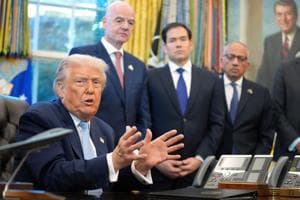
Photo via FreightWaves
The U.S. government has announced tariff penalties against 60 countries it says have not adequately addressed forced labor in their supply chains, according to FreightWaves. The move represents a significant escalation in trade enforcement and raises compliance costs for American businesses relying on imports from affected nations.
For Houston's logistics and import-dependent industries, these new tariffs could reshape sourcing strategies and increase operational expenses. The Port of Houston, one of the nation's largest cargo hubs, handles significant volumes from trading partners now facing tariff increases of up to 12.5%. Companies in retail, manufacturing, and distribution will need to evaluate their supply chain vulnerabilities.
The tariff action reflects growing U.S. scrutiny of labor practices in global supply chains. Importers and manufacturers across Texas will likely face pressure to audit their sourcing, potentially driving some business toward domestic suppliers or countries with stronger labor compliance records—a shift that could create opportunities for local producers.
Houston-based companies importing goods from the affected nations should begin reviewing tariff exposure and exploring mitigation strategies with trade counsel. The enforcement action underscores the increasing compliance complexity of international commerce and the importance of supply chain transparency for Texas businesses competing in global markets.