Photo via News Pub
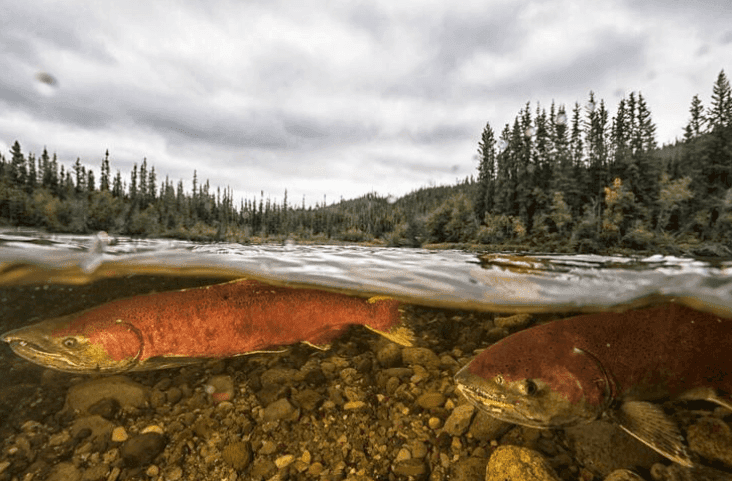
After two years of warmer ocean conditions that stressed salmon populations, the Alaska Department of Fish and Game is reporting encouraging signs of recovery in Yukon River Chinook salmon returns. The shift appears tied to recent cooling cycles in the Bering Sea, suggesting that water temperature fluctuations play a critical role in spawning success for these species that migrate more than 1,400 miles from their ocean feeding grounds.
For Houston's seafood distribution and food processing sectors, fluctuations in Alaska's salmon harvests carry real business implications. When West Coast fisheries experience boom-and-bust cycles, pricing and availability ripple through regional supply chains that serve restaurants, retailers, and food manufacturers across Texas. Understanding these environmental drivers helps local businesses forecast inventory and negotiate contracts with greater confidence.
The recovery underscores a broader lesson for resource-dependent industries: climate and oceanographic conditions create both risks and opportunities that executives must monitor. As Alaska's fisheries adapt to changing water patterns, Houston-based logistics and distribution companies serving the seafood trade should consider how seasonal variations and longer-term ocean trends might reshape demand and supply strategies in the coming years.