Photo via Iowa Public Radio
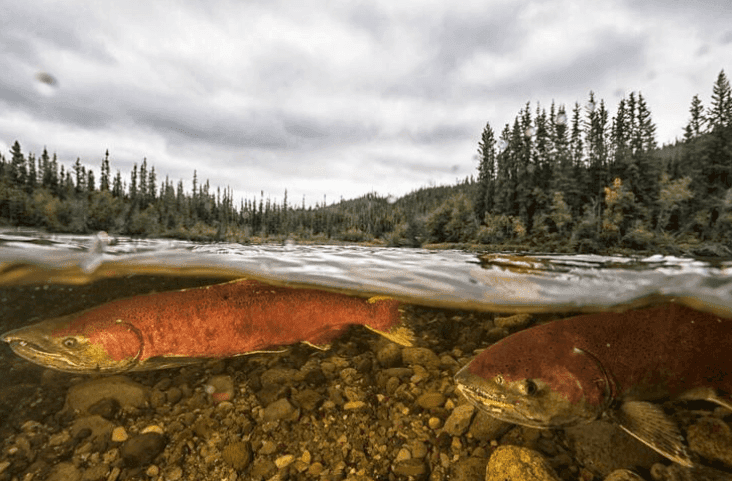
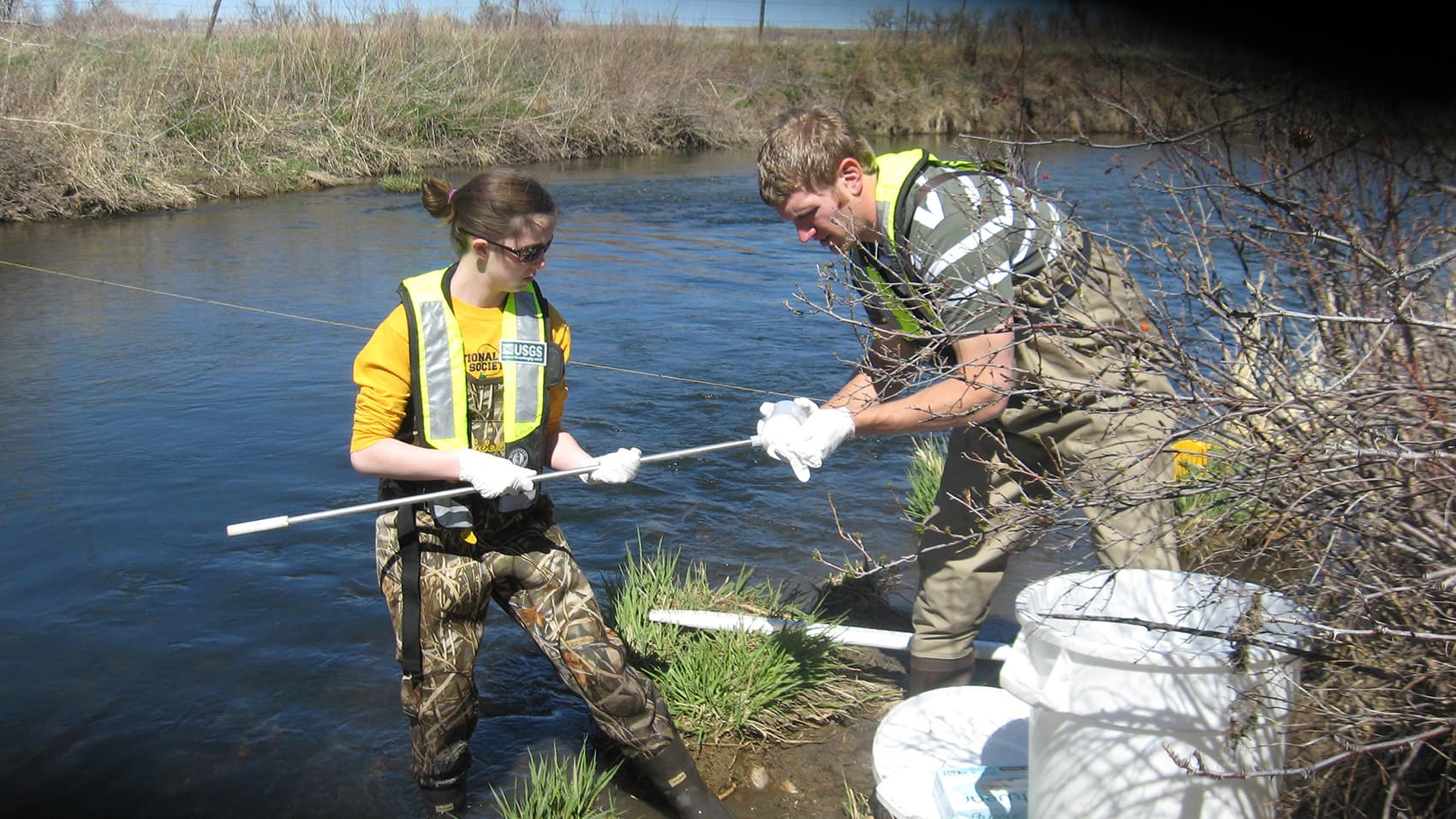
According to Iowa Public Radio's reporting on a comprehensive decade-long study, pesticide contamination in rivers spanning the Midwest and Great Plains regions has intensified significantly over the past ten years. The research highlights a troubling trend in agricultural areas where chemical runoff from farming operations continues to accumulate in major waterways, posing potential risks to aquatic ecosystems across the nation's breadbasket.
The pollution levels documented in the study suggest concentrations substantial enough to threaten aquatic plants and animal populations, which serves as an indicator of broader environmental degradation. For Houston-area businesses with supply chain dependencies on Midwest agricultural production—including food processors, distributors, and agribusiness firms—such environmental pressures could signal future regulatory changes or operational challenges affecting commodity sourcing and costs.
The findings underscore growing pressure on agricultural regions to adopt more sustainable practices and stricter chemical management protocols. As environmental regulations continue to evolve nationwide, Texas companies engaged in agriculture, food production, or water management should monitor these developments closely, as federal responses to regional water quality issues could reshape industry standards and compliance requirements across the Gulf Coast and beyond.