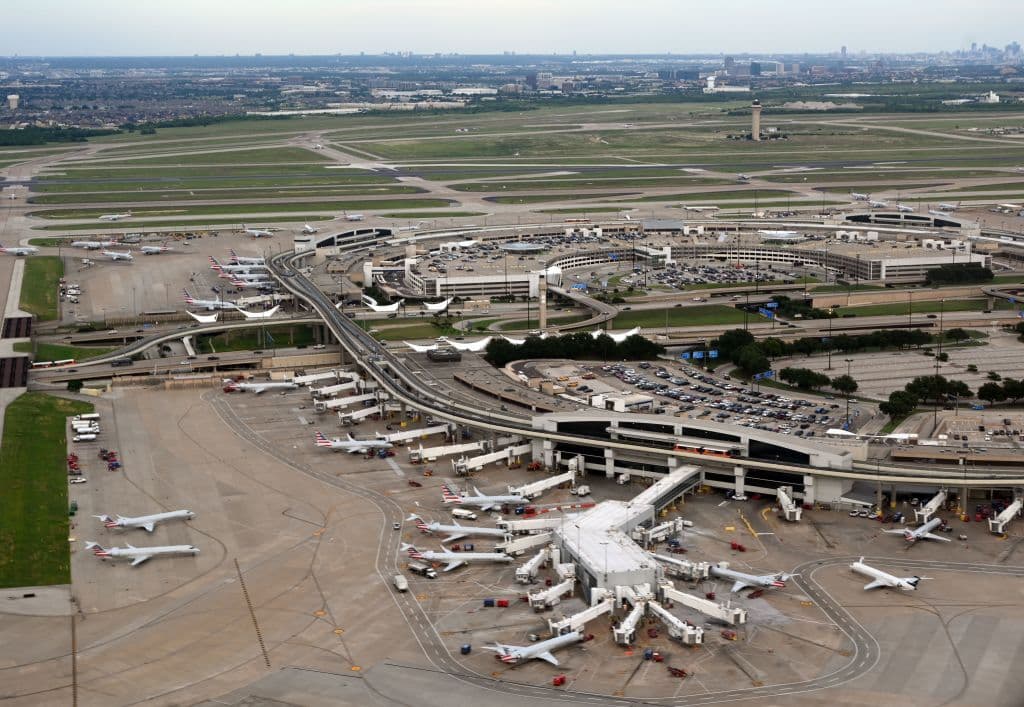
Photo via Michigan Public
The U.S. airline industry has undergone significant consolidation over the past decade, with the four largest carriers now commanding nearly 75% of the domestic market, according to Michigan Public. This concentration of power marks a dramatic shift from a more fragmented competitive landscape, raising concerns among consumer advocates and regulators about the long-term implications for pricing, service quality, and passenger choice.
Industry advocates argue that consolidation has enabled major airlines to invest in fleet modernization, network expansion, and operational efficiency—benefits they claim ultimately serve passengers through improved service. However, critics counter that reduced competition often translates to higher fares, reduced route options, and less incentive for innovation in passenger experience. For Houston-area business travelers who rely on regular air service, particularly through Houston's major hubs, the consolidation trend directly affects both corporate travel budgets and competitive options available to companies relocating to or expanding in the region.
As the debate over airline consolidation continues in boardrooms and regulatory circles, Houston's position as a major aviation and business center makes the outcome particularly relevant. The city's economy depends on robust air connectivity for corporate headquarters, energy sector operations, and international trade. Understanding how market consolidation shapes route availability, pricing, and service standards remains critical for Houston business leaders evaluating operational costs and competitive positioning.