Photo via Stlpr
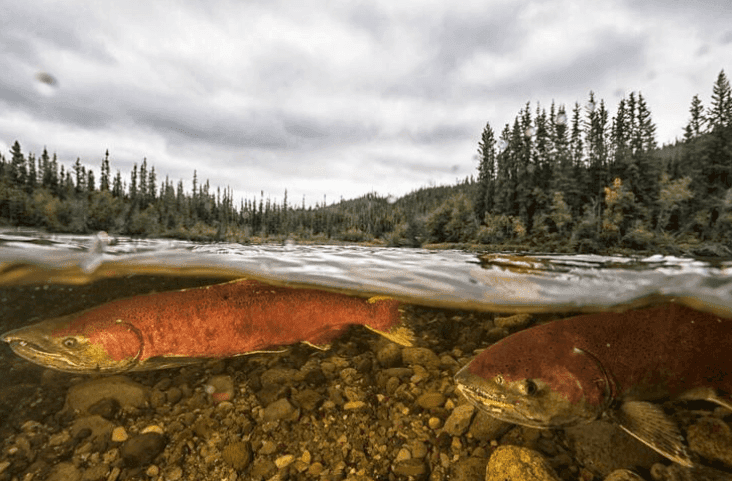
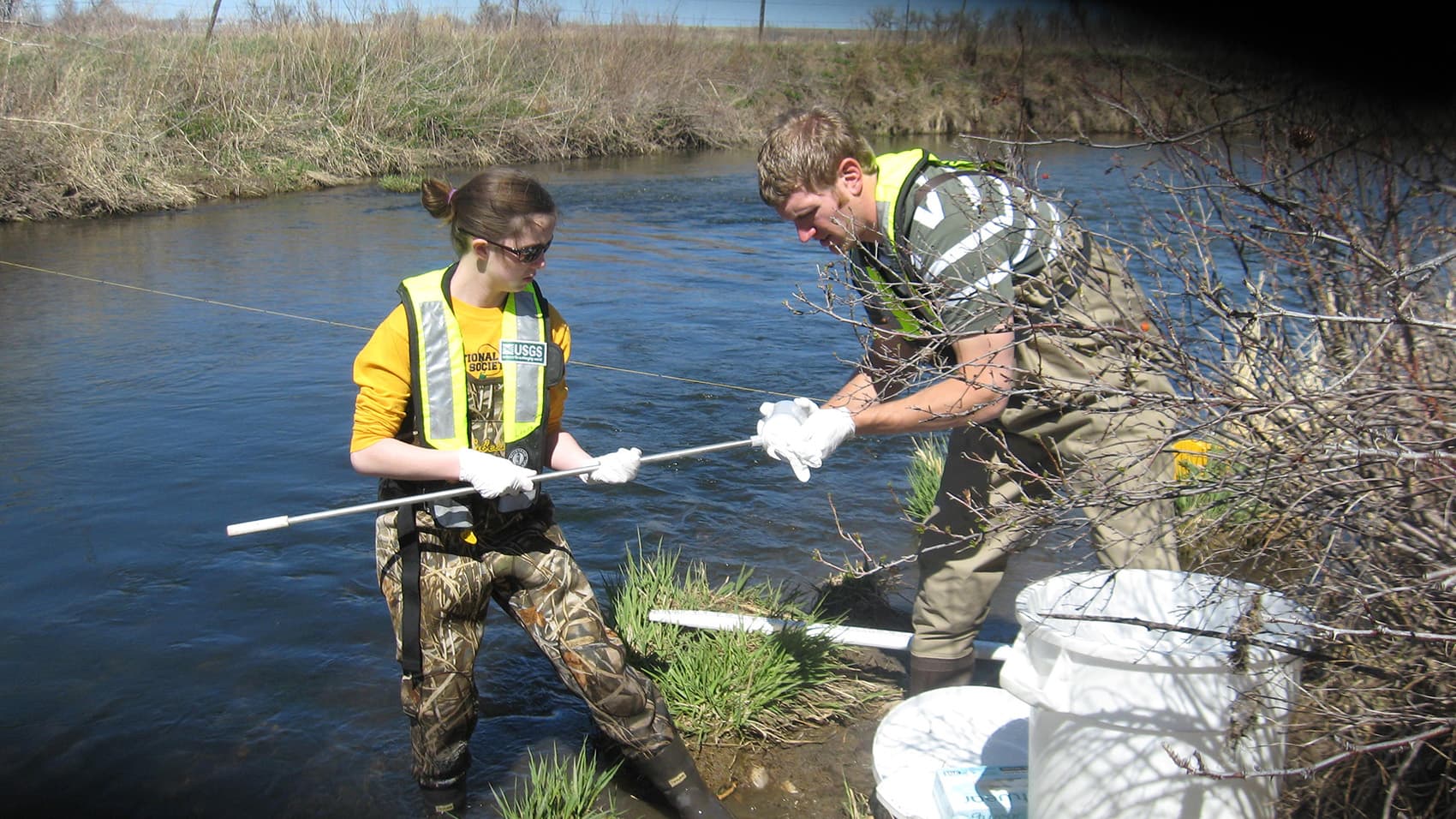
According to reporting from St. Louis Public Radio, pesticide pollution has become a significant environmental challenge across the Midwest and Great Plains regions, with contamination levels in many waterways reaching concentrations that could threaten aquatic plant and animal life. While this problem is geographically distant from Houston, it underscores a national issue that affects agricultural supply chains, chemical manufacturers, and water treatment infrastructure across the country—sectors with substantial business operations and investment in Texas.
The presence of pesticides in major river systems raises questions about agricultural practices, chemical industry oversight, and long-term environmental liability for companies operating in or supplying these regions. Businesses involved in agribusiness, chemical manufacturing, and water treatment are increasingly facing regulatory scrutiny and stakeholder pressure to address contamination sources, implement better practices, and invest in remediation technologies.
For Houston-area companies in the petrochemical and agricultural input sectors, these findings serve as a cautionary indicator of environmental risks and regulatory trends that could eventually shape compliance requirements and operational costs nationwide. Water quality issues in other regions often presage similar concerns in Texas, making this a relevant benchmark for understanding emerging environmental regulations and the competitive landscape for solutions-oriented businesses.